Understanding Your Home’s Energy Audit: A Prerequisite for Any Green Remodel

A great green remodel starts with understanding how your house behaves today. In the Bay Area, our coastal fog, inland heat, and wildfire smoke create wildly different conditions home to home—even block to block. An energy audit is the way to capture those realities on paper so your design choices are driven by measured facts, not guesses.


Think of the audit as a map. It documents where air leaks, where heat is lost or gained, how evenly fresh air is delivered, and whether your electrical system is ready for all‑electric upgrades. That map becomes the basis for scope and budget, and it helps avoid surprises during permitting and construction.


Below is what a homeowner‑first energy audit looks like, how the tests work, and how we translate the findings into a clean, buildable plan.

Understanding Your Home’s Energy Audit A Prerequisite for Any Green Remodel 1

What an energy audit covers and why it matters

The audit starts with a structured checklist so nothing gets missed. We review the building shell, windows and doors, insulation levels, ductwork, and ventilation strategy. We look for patterns—condensation near bath fans, dust lines at baseboards, hot and cold spots—that hint at air leaks or missing insulation. We note the age and type of heating, cooling, and water heating equipment and how they are vented.


We also document how you actually live in the home. Do bedrooms feel stuffy at night? Does the kitchen hold onto cooking odors? Do you run the bath fan long enough after showers? Small lifestyle notes help the eventual design feel right day to day. The outcome of this step is a clear list of priorities tied to comfort, indoor air quality, durability, and energy spend—not just a generic score.


For Bay Area homes on hillsides or near transit, we pay extra attention to sound and stack effect. Sloped sites and multi‑level plans can pull air in odd directions, and train or traffic noise can tempt you to keep windows shut. The audit sets up practical solutions that work with your site rather than fight it.

Understanding Your Home’s Energy Audit A Prerequisite for Any Green Remodel 2

Panel capacity, loads, and readiness for electrification

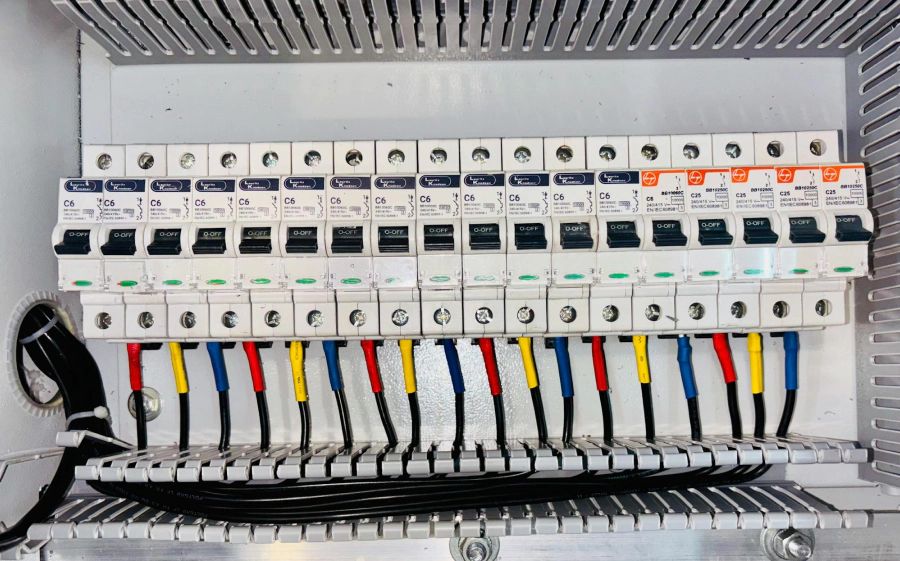
Modern green remodels often add induction cooking, heat pump space conditioning, and a heat pump water heater. Those shifts are easiest when the electrical panel is sized and organized to handle them. During the audit we open the panel cover, label what is there, and record breaker sizes and any open spaces. We look for double‑tapped breakers, aluminum wiring, or tired service equipment that could slow the project down.


We then sketch a simple load plan: what circuits can be combined, where dedicated circuits are needed, and whether a service upgrade is worth it. In many Bay Area houses, a tidy panel rework plus a few dedicated runs is enough. For heavier scopes or EV charging, we identify whether 200‑amp service or a smart panel would make the most sense and note it for design.


This part of the audit prevents change orders later. When you know the panel path early, you can place appliances with confidence and keep wall openings and patch work to a minimum.

Understanding Your Home’s Energy Audit A Prerequisite for Any Green Remodel 3

Air sealing and insulation: fixing the biggest comfort leaks

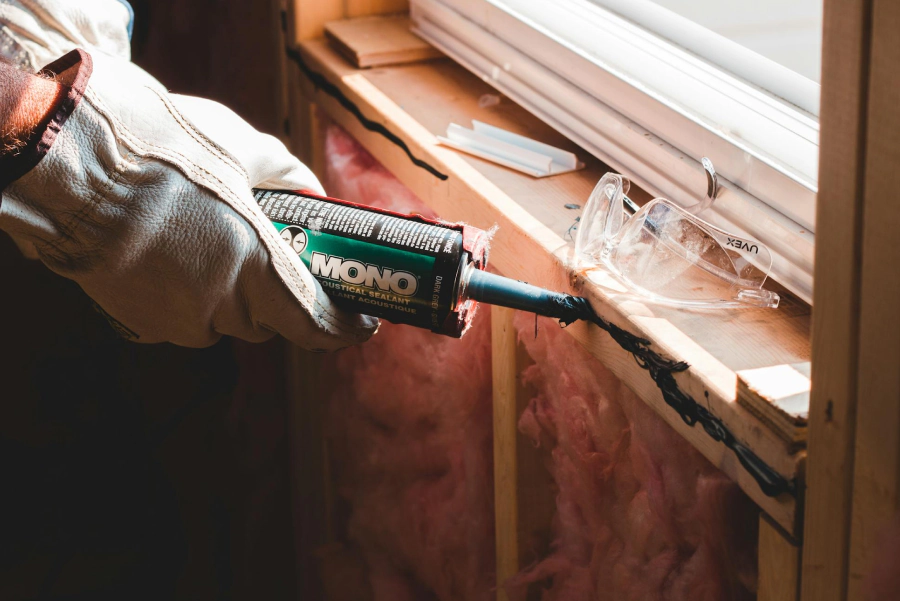
Most comfort complaints trace back to uncontrolled air movement. We focus first on obvious leakage points—attic hatches, recessed lights, window and door casings, and utility penetrations. A careful bead of sealant or gasket can have an outsized effect on drafts and dust. Around windows and doors we check weatherstripping and latch tension so they close tight without slamming.


Insulation is next, but only after air sealing. In attics, we confirm depth and coverage and look for wind washing near eaves. In walls, clues like temperature stripes or dusty baseboards often reveal gaps. The plan you receive lists exact repair locations so scope is predictable and your finish work stays clean.


When wildfire smoke rolls in, a tight shell plus balanced mechanical ventilation makes your home a refuge. The audit outlines a filter strategy your equipment can actually pull air through—no one benefits from a filter so restrictive it just bypasses.

Understanding Your Home’s Energy Audit A Prerequisite for Any Green Remodel 4

From findings to scope, budget, and schedule

The audit ends with a simple, prioritized roadmap. We line up quick wins—door sweeps, targeted air sealing, bath fan timers—before invasive work. Larger moves like attic air sealing and insulation, panel rework, and heat pump swaps are grouped by phase so you can time them with other remodel work. If you are planning a kitchen or bath, we coordinate penetrations and make‑up air needs so finishes do not get opened twice.


We also translate findings into permit‑ready notes. Cities vary across the Bay Area, but inspectors consistently like to see clear specifications, airflow numbers where applicable, and product types that meet local reach codes. When incentives are available, we include the key documentation so you can submit without a second site visit.


The result is a scope that lives in your drawings and a schedule that respects lead times. You will know what to expect, what it will cost, and how each step improves comfort and indoor air quality.

Ready to start with the audit

If you are planning a remodel or addition, a short on‑site audit is the fastest way to get answers. We will walk the house, gather readings, and deliver a clear scope, schedule, and estimate you can build from.


We can meet on site or virtually—either way, you will leave with a practical sequence tailored to your home and microclimate.