In an era increasingly defined by environmental consciousness, the concept of “sustainability” has become a guiding principle across industries, perhaps most profoundly in how we construct and inhabit our living spaces. For decades, the emphasis was often on new builds – designing green homes from the ground up, incorporating renewable energy, and sourcing eco-friendly materials. While these efforts are undeniably crucial, there’s a quiet, often overlooked hero in the sustainable building movement: renovation. Breathing new life into old homes is not just a practical choice or an aesthetic preference; it is, in many ways, the ultimate form of sustainable building, offering a myriad of environmental, economic, and social benefits that often outweigh the perceived advantages of starting from scratch.
Breathing New Life into Old Homes: Why Renovation is the Ultimate Form of Sustainable Building
- Zak Michaels
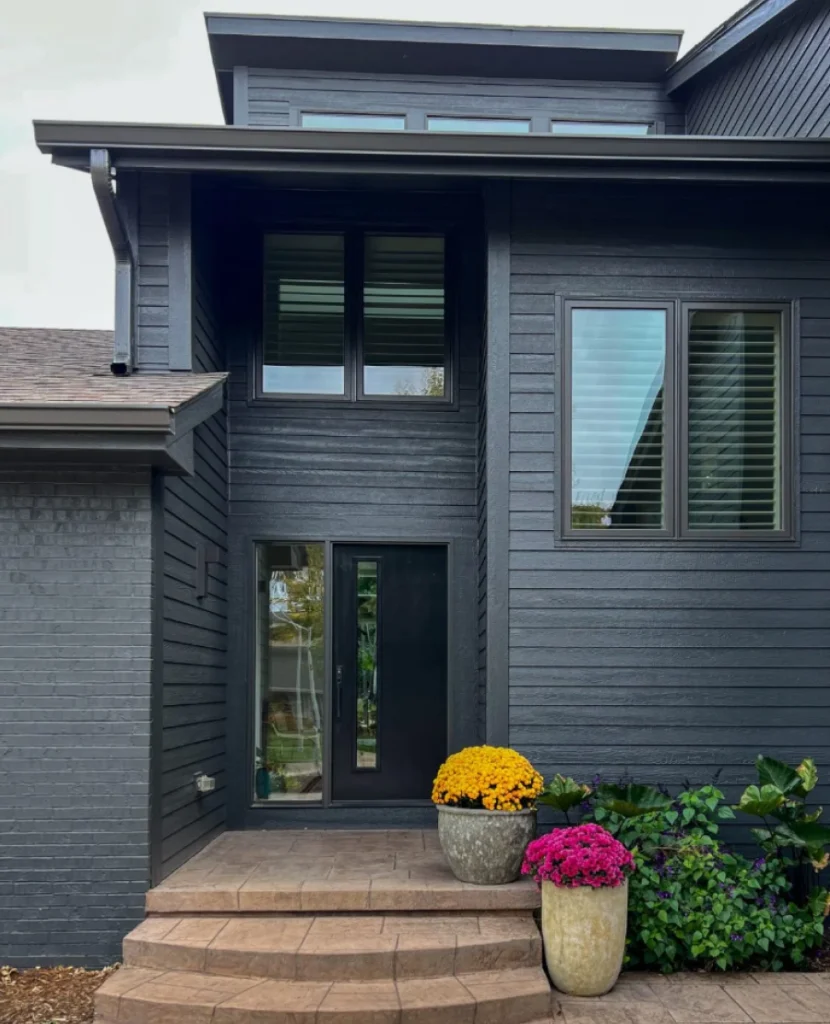
The Unseen Energy of Existing Structures: Embodied Carbon
One of the most compelling arguments for renovation as a sustainable practice lies in the concept of embodied carbon. This refers to the greenhouse gas emissions associated with the extraction, manufacturing, transport, installation, maintenance, and disposal of building materials. When a new building is constructed, a significant amount of embodied carbon is released before anyone even steps foot inside. Conversely, when an existing structure is demolished, all the embodied carbon locked within its materials is effectively wasted, often releasing more emissions in the process of demolition and landfilling. By choosing to renovate, we are essentially recycling a massive amount of embodied carbon. The energy and resources that went into producing the original bricks, timber, concrete, and steel are preserved and repurposed. This immediate reduction in carbon footprint is substantial and represents a tangible environmental win. Instead of creating demand for new, energy-intensive materials, renovation leverages what’s already there, dramatically lowering the overall environmental impact of a project.
Reducing Waste and Resource Consumption
Beyond embodied carbon, renovation inherently generates less waste compared to demolition and new construction. Demolishing an average-sized home can produce hundreds of tons of debris, much of which ends up in landfills. While some materials can be recycled from demolition sites, the process is often complex and costly, making landfilling the more common, albeit less sustainable, outcome. Renovation, particularly when approached with a mindful deconstruction strategy, minimizes this waste stream. Existing elements like structural timbers, flooring, fixtures, and even non-load-bearing walls can often be retained, repaired, or carefully removed for reuse elsewhere. Even materials that cannot be kept in place can often be salvaged and donated to architectural salvage yards or repurposed in other projects. This not only reduces landfill burden but also decreases the demand for virgin resources, further conserving natural habitats and energy required for extraction and processing.
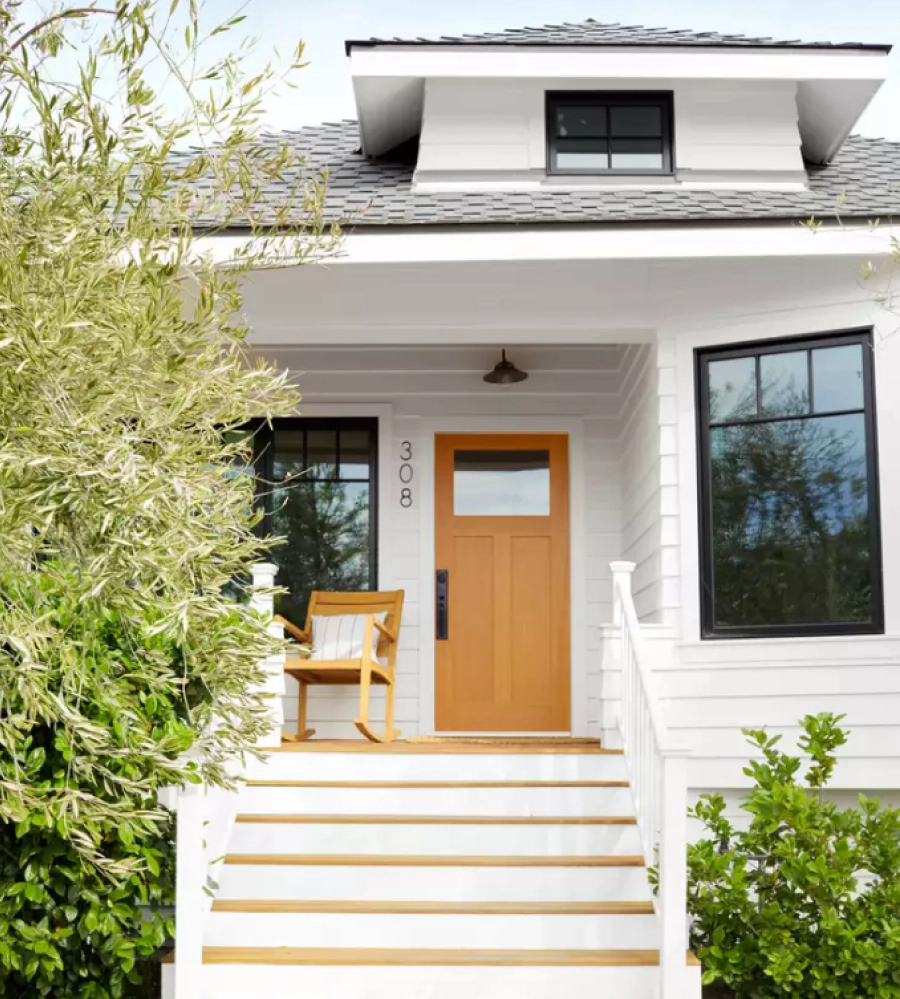
Enhancing Energy Efficiency: A Modern Update for Old Bones
One common misconception is that old homes are inherently energy inefficient. While many older properties may have outdated insulation, windows, and HVAC systems, these are precisely the areas where renovation can make the most significant sustainable impact. Modern building science and technology allow us to dramatically improve the thermal performance of existing structures.
- Insulation: Upgrading wall, attic, and floor insulation is often the most cost-effective way to reduce energy consumption.
- Windows and Doors: Replacing single-pane windows with high-performance, double or triple-glazed units can significantly reduce heat loss and gain.
- HVAC Systems: Installing energy-efficient heating, ventilation, and air conditioning systems, or even exploring renewable options like heat pumps, can drastically cut utility bills and carbon emissions.
- Air Sealing: Sealing drafts and gaps around penetrations can prevent uncontrolled air leakage, which is a major contributor to energy waste.
By integrating these modern energy-saving measures, a renovated older home can often outperform a newly constructed home in terms of operational energy efficiency, especially when considering the initial embodied carbon savings.
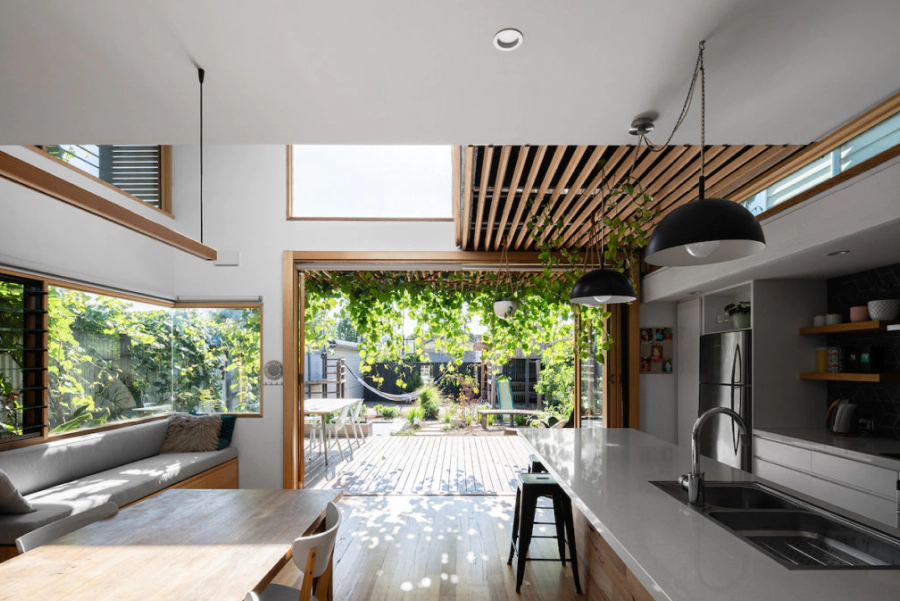
Preserving Character and Community Heritage
Sustainability isn’t just about environmental metrics; it also encompasses social and cultural well-being. Older homes often possess unique architectural character, craftsmanship, and historical significance that cannot be replicated in new construction. Renovation allows us to preserve these valuable aesthetic and historical elements, maintaining the unique charm and narrative of a neighborhood. When an old home is torn down, a piece of local history is lost. Renovating, on the other hand, respects the existing urban fabric, contributing to a sense of continuity and community identity. It prevents the homogenization of neighborhoods and retains the diverse architectural tapestry that makes cities and towns interesting and vibrant places to live. Moreover, older homes are often located in established, walkable neighborhoods with existing infrastructure, reducing reliance on cars and fostering community engagement – another critical aspect of sustainable living.
Economic Benefits and Local Job Creation
The sustainable benefits of renovation extend to the economy as well. Renovation projects often rely on local labor and smaller, specialized contractors, stimulating the local economy more directly than large-scale new construction which might bring in regional or national firms. This creates jobs for skilled tradespeople – carpenters, masons, electricians, plumbers, and plasterers – who specialize in working with older buildings and traditional materials. Furthermore, renovating an existing home can often be more cost-effective than building new, especially when factoring in the existing foundation, roof, and structural integrity. While extensive renovations can be expensive, they often avoid the myriad of hidden costs associated with site preparation, utility hook-ups, and new material purchases inherent in new construction. A well-executed renovation also significantly increases property value, offering a strong return on investment for homeowners.
The Art of Adaptive Reuse
Beyond residential homes, the principle of renovation as sustainable building shines brightest in the practice of “adaptive reuse.” This involves repurposing old commercial buildings, factories, or even churches into new residential, retail, or office spaces. Adaptive reuse is the pinnacle of sustainable construction, as it prevents the demolition of large structures, preserves immense amounts of embodied carbon, and revitalizes urban areas by giving new purpose to dormant buildings. It transforms what might be considered derelict into vibrant, functional spaces, often with unique architectural features that new construction struggles to mimic.
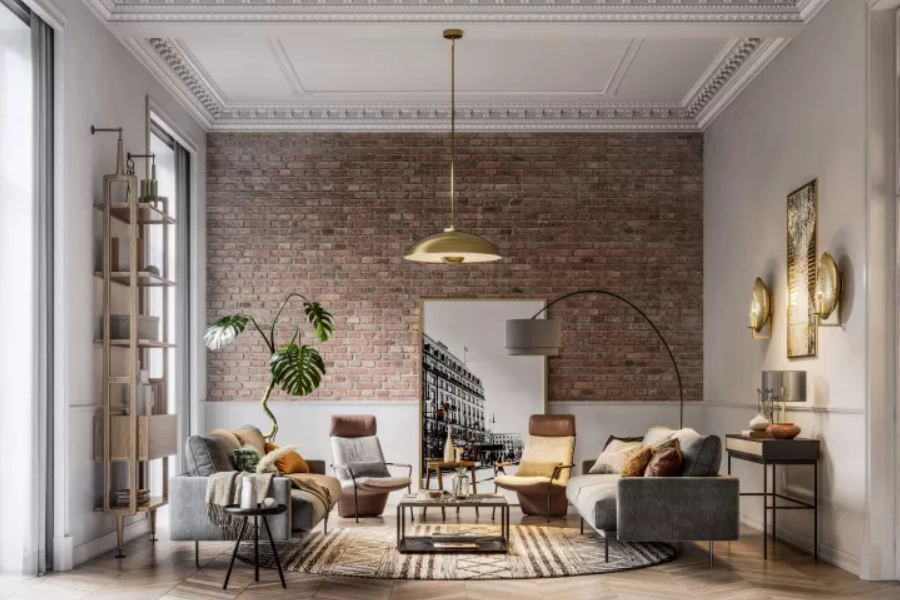
Navigating the Renovation Journey
Undertaking a renovation project, particularly on an older home, comes with its own set of considerations. It’s crucial to understand the building’s history, its structural integrity, and any potential issues like lead paint or asbestos (though these can be safely abated by professionals). Researching local building codes and historic preservation guidelines, if applicable, is also essential.
The key to a successful sustainable renovation lies in thoughtful planning and a commitment to preserving as much of the existing structure as possible while integrating modern efficiencies. This might involve:
- Auditing existing materials: Identifying what can be saved, repaired, or repurposed.
- Prioritizing energy efficiency upgrades: Focusing on insulation, windows, and HVAC.
- Choosing sustainable new materials: Opting for recycled content, low VOC paints, and locally sourced materials where new components are needed.
- Considering passive design principles: Maximizing natural light and ventilation.
Conclusion: The Future is Built on the Past
In the grand scheme of sustainable development, building new, energy-efficient homes is a vital component. However, the true depth of our commitment to a greener future lies in our respect for the past. Renovation is more than just an upgrade; it is an act of environmental stewardship, an economic stimulant, and a cultural preservation effort all rolled into one. By choosing to restore, adapt, and revitalize our existing building stock, we make a profound statement: that the most sustainable building is often one that has already been built.
The embodied carbon saved, the waste diverted from landfills, the energy efficiency gains, the preservation of cherished architectural heritage, and the boost to local economies collectively establish renovation as an indispensable pillar of sustainable living. So, before you consider building new, look to the old. Look to the character, the history, and the untapped potential waiting to be unearthed. Embrace renovation as your ultimate act of sustainable building and discover how breathing new life into an old home can create a future that is both beautiful and profoundly responsible. To start your journey, consider consulting with an architect or contractor specializing in sustainable renovations who can guide you through the process and help unlock the full potential of your existing home.