Rediscover Function, Flow, and Beauty with a Space Built For You.
We simplify complex projects by making each step easy to understand, with clear communication from start to finish.
Home Renovation Process
1. Free 15-Minute Call, Then a Site Visit
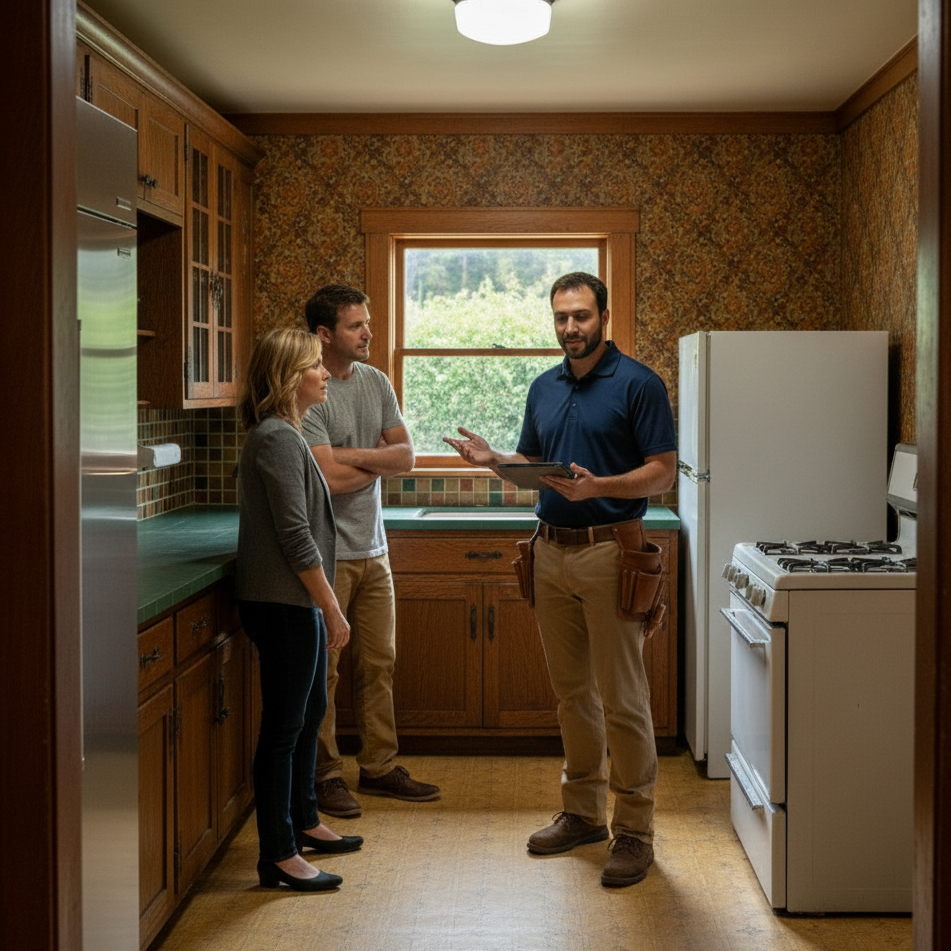
Every home renovation starts with understanding how you live in the space today and how you want it to perform in the future. We begin with an on-site walkthrough to evaluate existing conditions, identify opportunities and constraints, and discuss your goals, priorities, and budget. This early alignment allows us to shape a renovation plan that improves flow, comfort, and long-term value across the entire home.
On-site walkthrough to assess existing conditions, layout, structural considerations, and overall renovation goals.
We provide a free ballpark construction cost range based on scope and complexity, for example $250k – $450k.
To move forward, we execute a preconstruction agreement (PCA) covering design coordination, engineering, budgeting, and permit planning.
Whole-home renovation scope can range from selective interior updates to comprehensive structural and systems upgrades, depending on existing conditions and client selections.
Once the vision is established, the design process translates ideas into a clear, coordinated plan. For a home renovation, this phase looks beyond individual finishes to how the entire home functions, flows, and feels. By resolving details early, we reduce surprises during construction and create a realistic path to staying on budget.
In-depth consultations to align on renovation goals, scope, priorities, and long-term use of the home.
Common design considerations include improving layout and circulation, natural and artificial lighting, material selections, flooring, fixtures, and cohesive finishes throughout the home.
The contractor develops a comprehensive selections and scope list for client review, which becomes the roadmap for pricing, permitting, and construction execution.
3. Permitting: 1 - 2 months
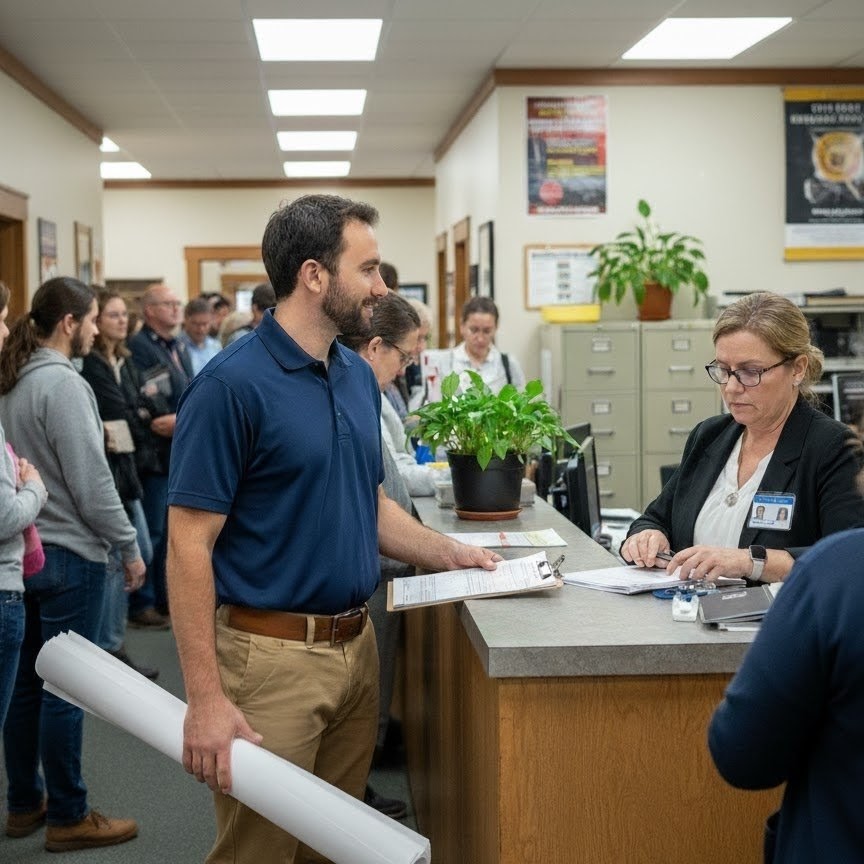
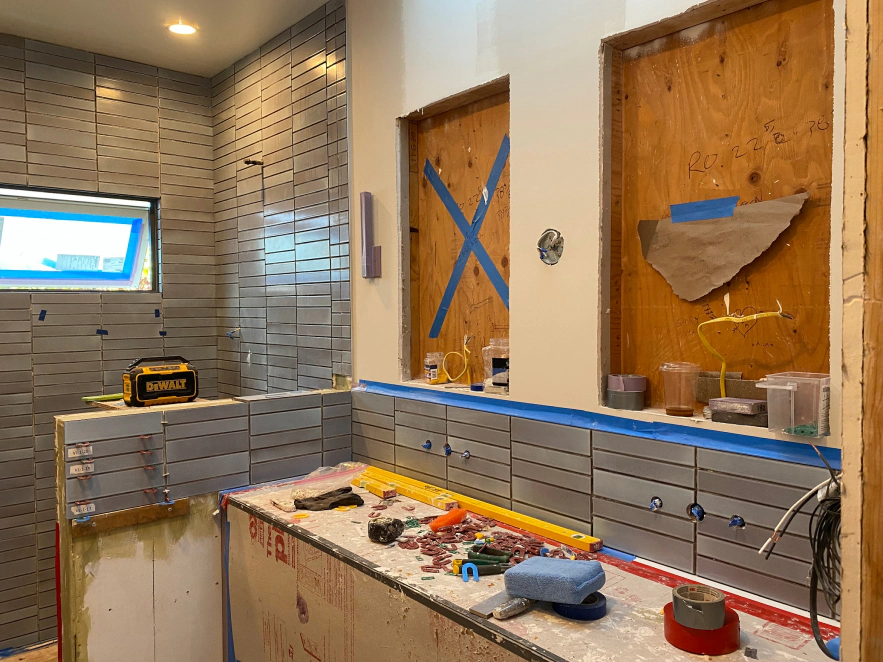
Once the design is complete, it’s time to submit the plans to the city for approval! This can take a few months, but during this time you can still keep the project moving! While most product selections will have already been considered, this is the time to actually start shopping for certain items, in most cases top on that list is tile to allow for precise layout of fixtures, niches, and other elements that may be involved.
4. Construction: 1 - 4 months
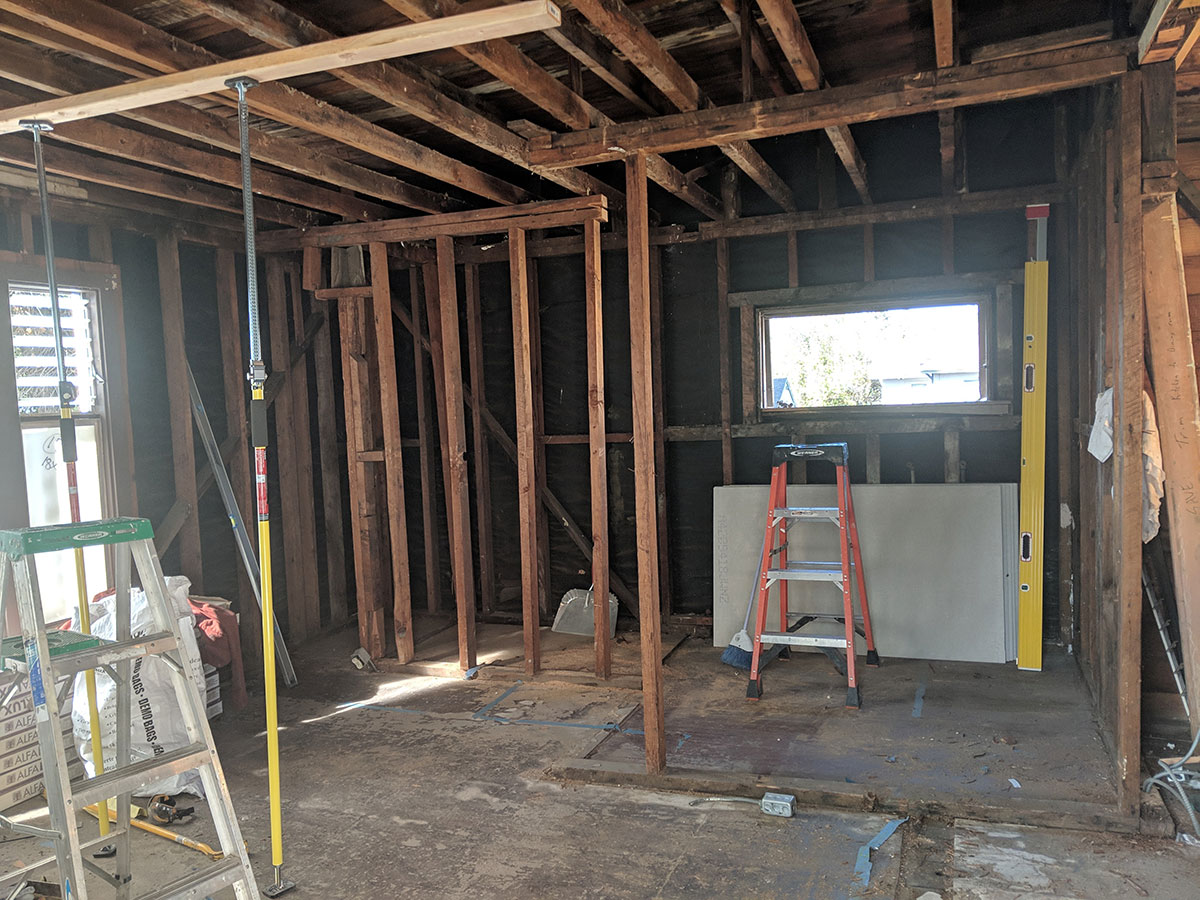
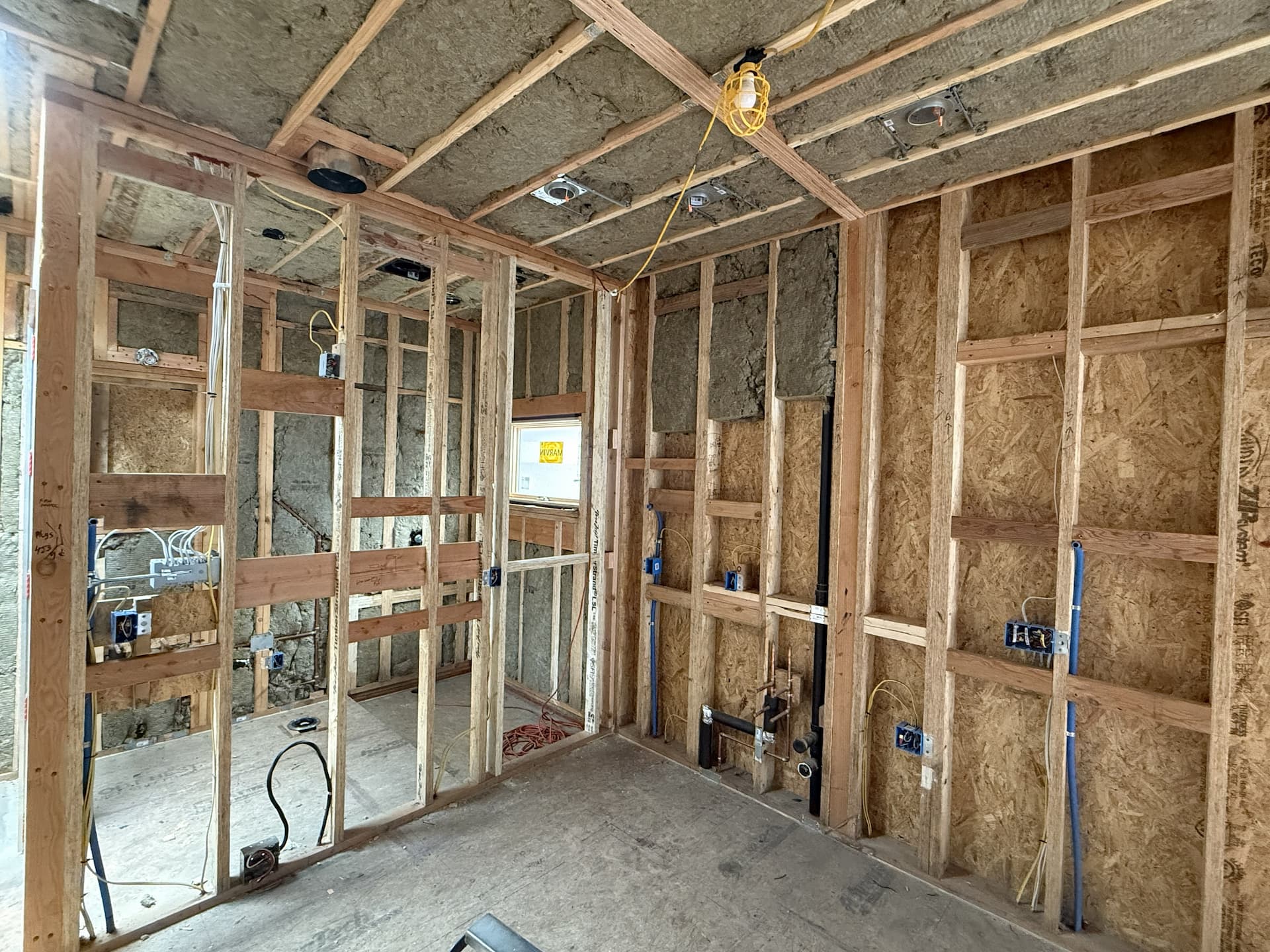
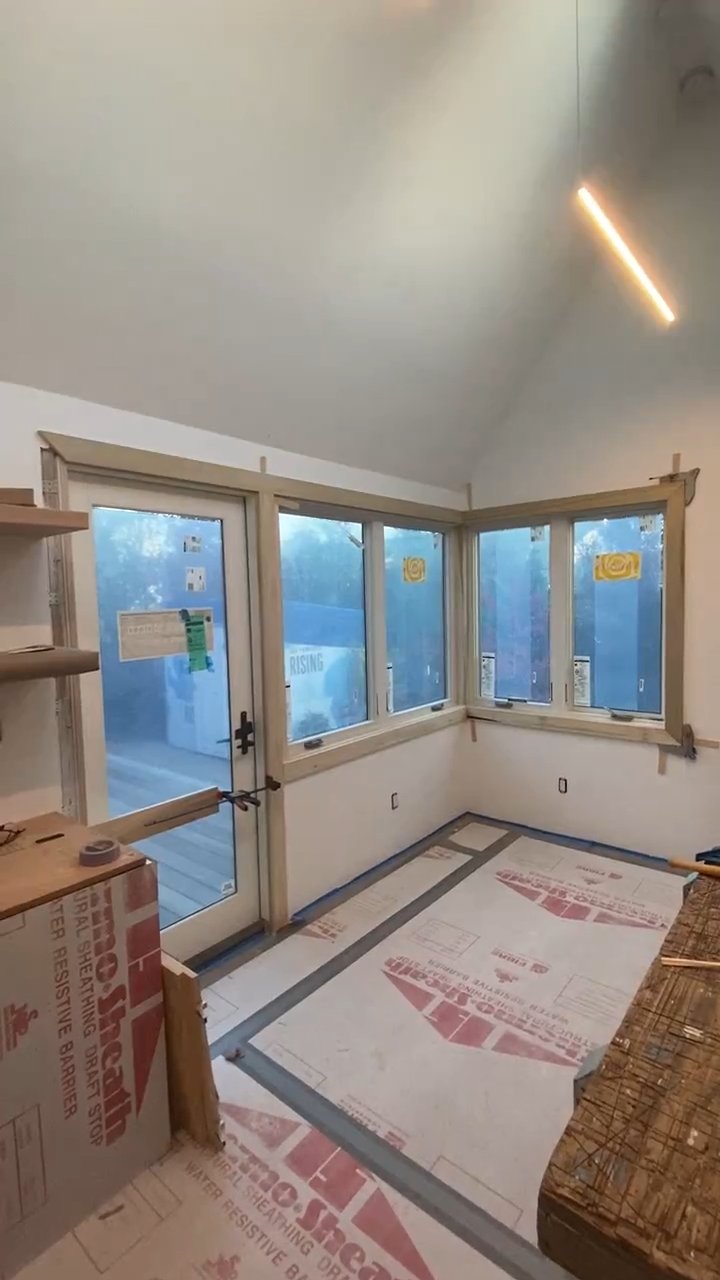
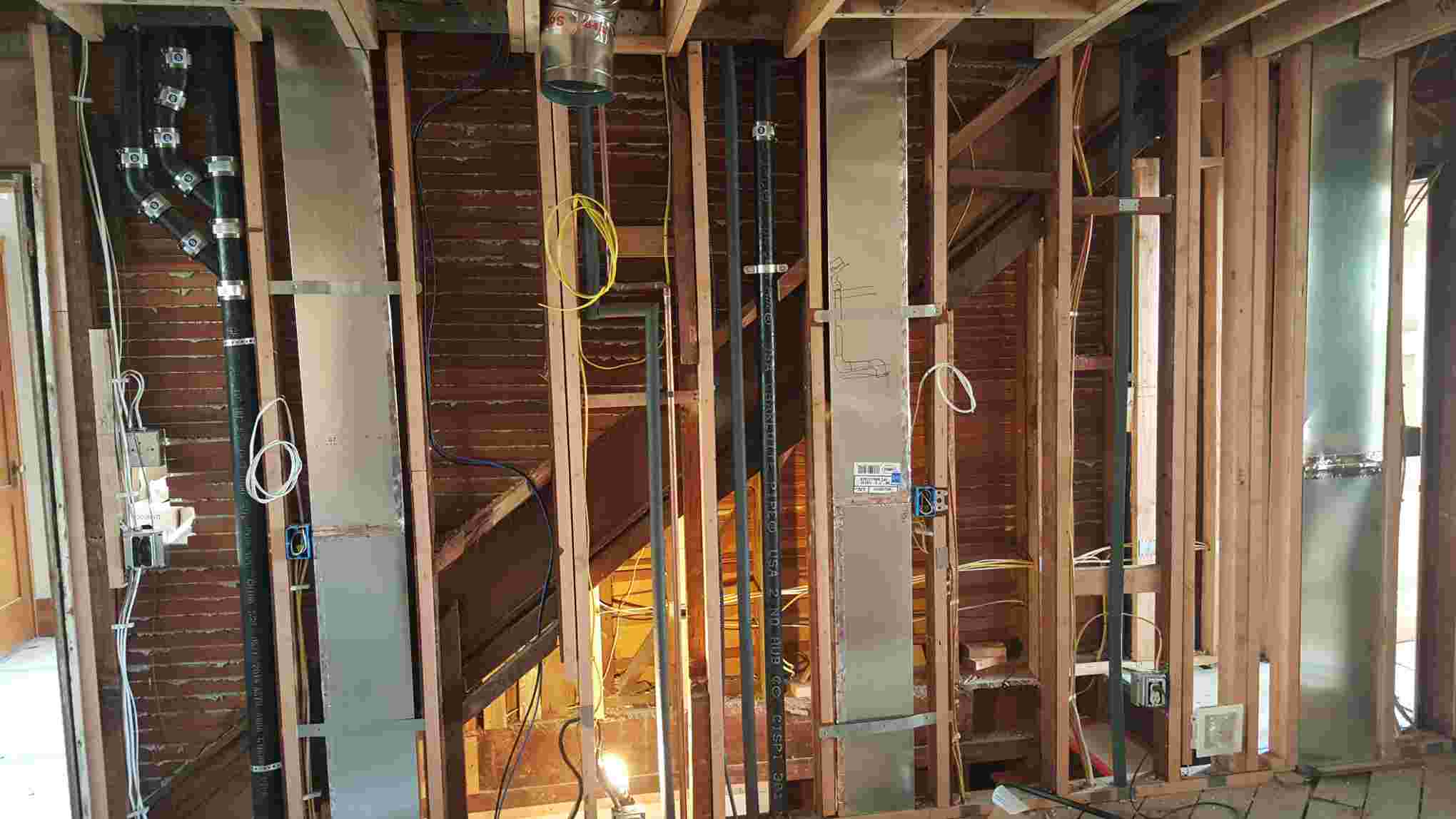
Finally, our team begins with a careful protection of your surrounding areas. Dust barriers with zipper doors, HEPA air filtration, and floor protection are some of the methods we implement to ensure your home and family are protected from the process. A dedicated project manager and construction team will carry out the work in close coordination with the homeowner, providing clear communication, organized scheduling, and day-to-day oversight to keep the project running smoothly and predictably.
5. Move In
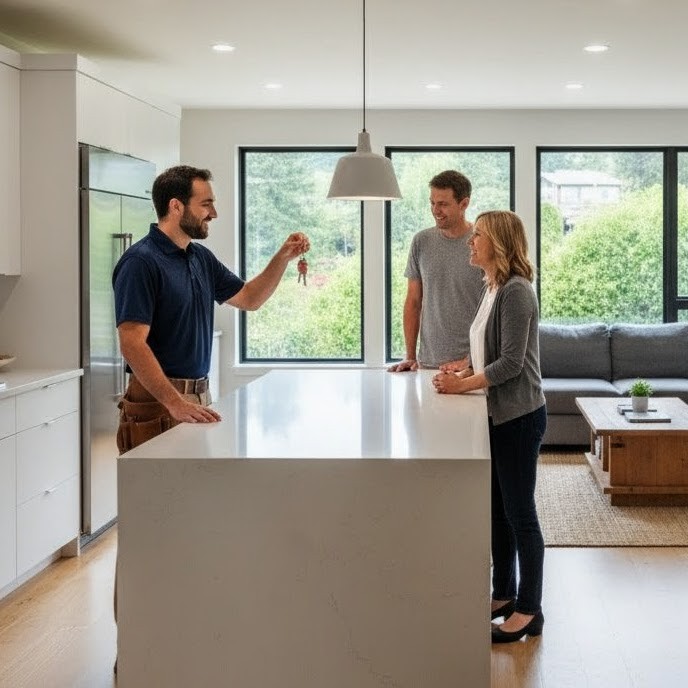
Once final city inspections are approved, we complete a detailed walkthrough of the renovated home to confirm all work meets expectations and aligns with the original scope. We then review and deliver all close-out documentation, including product manuals and warranties, and provide guidance on long-term care and maintenance so your home renovation continues to perform and look its best for years to come.
How do you separate construction zones from clean living areas?
We use physical barriers such as sealed plastic walls and zippered doors to clearly separate active work areas from clean zones, helping contain dust, debris, and foot traffic.
How do you protect existing finishes and areas not being renovated?
We use floor protection, surface coverings, and temporary barriers to safeguard existing finishes, furniture, and adjacent spaces that are not part of the renovation scope.
How do you manage noise during construction?
While some noise is unavoidable, we plan louder activities thoughtfully and communicate ahead of time so there are no surprises. Our goal is to be considerate and predictable.
How do you communicate what’s happening on site?
We provide clear, regular updates so you know what work is happening, what’s coming next, and how it may affect daily life in the home. We do this through your preferred method/s of communication, as well as regularly update your project portal.
What makes your renovation process different from other contractors?
Our process emphasizes planning, protection, and professionalism. We treat your home as a lived-in environment, not just a jobsite, and manage it with care from start to finish. This is an area that all contractors will promise, but not all actually deliver on all of those areas.
FAQ - You Ask We Answer
Service Areas
Find Your City
We bring the same design-build home renovation process throughout the East Bay. Select your city below.